To transfer files over a network from your PC to an internal or external USB hard drive on your R_volution media player, follow these steps:
1. Connect your player to the network using an Ethernet cable. If you prefer to use Wi-Fi, please refer to the dedicated procedure for setting up Wi-Fi. Then, turn on your R_volution media player.
2. Go to Setup.

3. Then go to Network.

4. There, you'll see the media player's IP address. The IP address is presented as four sets of numbers.
For example: 192.168.1.18
Write down the IP address.

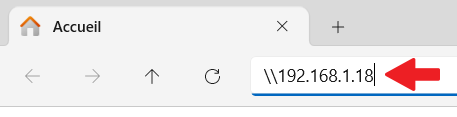
5. On your PC, open File Explorer (Windows+E) and type the IP address preceded by two backslashes.
For example:
\\192.168.1.18
Note for advanced users: You can also use the Windows+R shortcut to type the IP address directly without using Windows File Explorer.
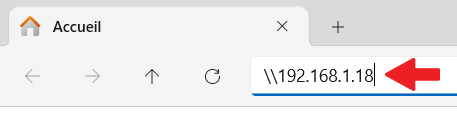
Then, confirm using the OK key on your keyboard.
6. In the login window, enter "guest" in the "username" field.
Leave the "Password" field blank. Then, confirm by clicking the OK button located at the bottom left of the window.

7. Once validated, the local hard drives of your R_volution media player will appear. These can be internal or external hard drives connected via USB to your media player.
You can then copy and paste files from your PC to one of the R_volution media player's hard drives through your local network.

8. To go further, you can create a network hard drive by assigning a network letter to the hard drives of your R_volution media player.
To do this, right-click on a hard drive of your player that appears on your network and click "Map a network drive..."

Choose a network letter. Then, click "Finish".

Your R_volution media player's hard drive will now appear in your computer's hard drive list as a network drive.
Note that if your player's IP address changes, the PC will no longer be able to access the network drive. You will need to repeat the process. To avoid this problem, assign a fixed IP address to your R_volution media player via your router. For more information on this process, consult your router or internet box's user manual.

RECENT WINDOWS 10/11
Recent Windows 10/11 versions may block access to SMB servers without password, and Windows 11
24H2 may also require SMB signing. If you cannot access the media player HDD from Windows, try the
steps below.

1) Enable password on the media player:
On the media player, go to Setup > Apps > SMB Server, set Password enabled = Yes, and change User
name and Password if needed.
2) Disable mandatory SMB signing in Windows:
Run PowerShell as Administrator: right-click Start > Terminal (Admin).
Type command:
Set-SmbClientConfiguration -RequireSecuritySignature $false -Force
Alternative method using Local Group Policy Editor:
Press Win + R, then enter:
gpedit.msc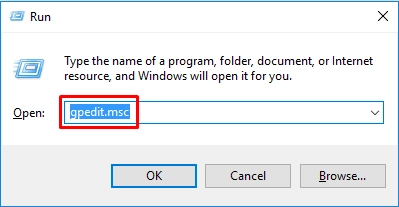
Go to: Computer Configuration > Windows Settings > Security Settings > Local Policies > Security Options.
Set: Microsoft network client: Digitally sign communications (always) = Disabled.
3) If you prefer accessing the media player SMB server without a password, allow guest SMB
access in Windows:
Run PowerShell as Administrator: right-click Start > Terminal (Admin).
Type command:
Set-SmbClientConfiguration -EnableInsecureGuestLogons $true -Force
Alternative method using Local Group Policy Editor:
Press Win + R, then enter:
gpedit.msc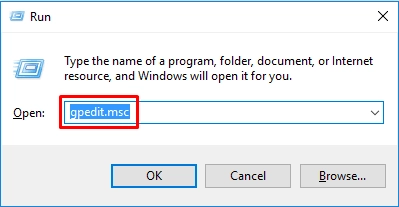
Go to: Computer Configuration > Administrative Templates > Network > Lanman Workstation.
Set: Enable insecure guest logons = Enabled.
4) Use direct IP address:
On the media player, check the IP address: Setup > Information. Or go to Setup > Network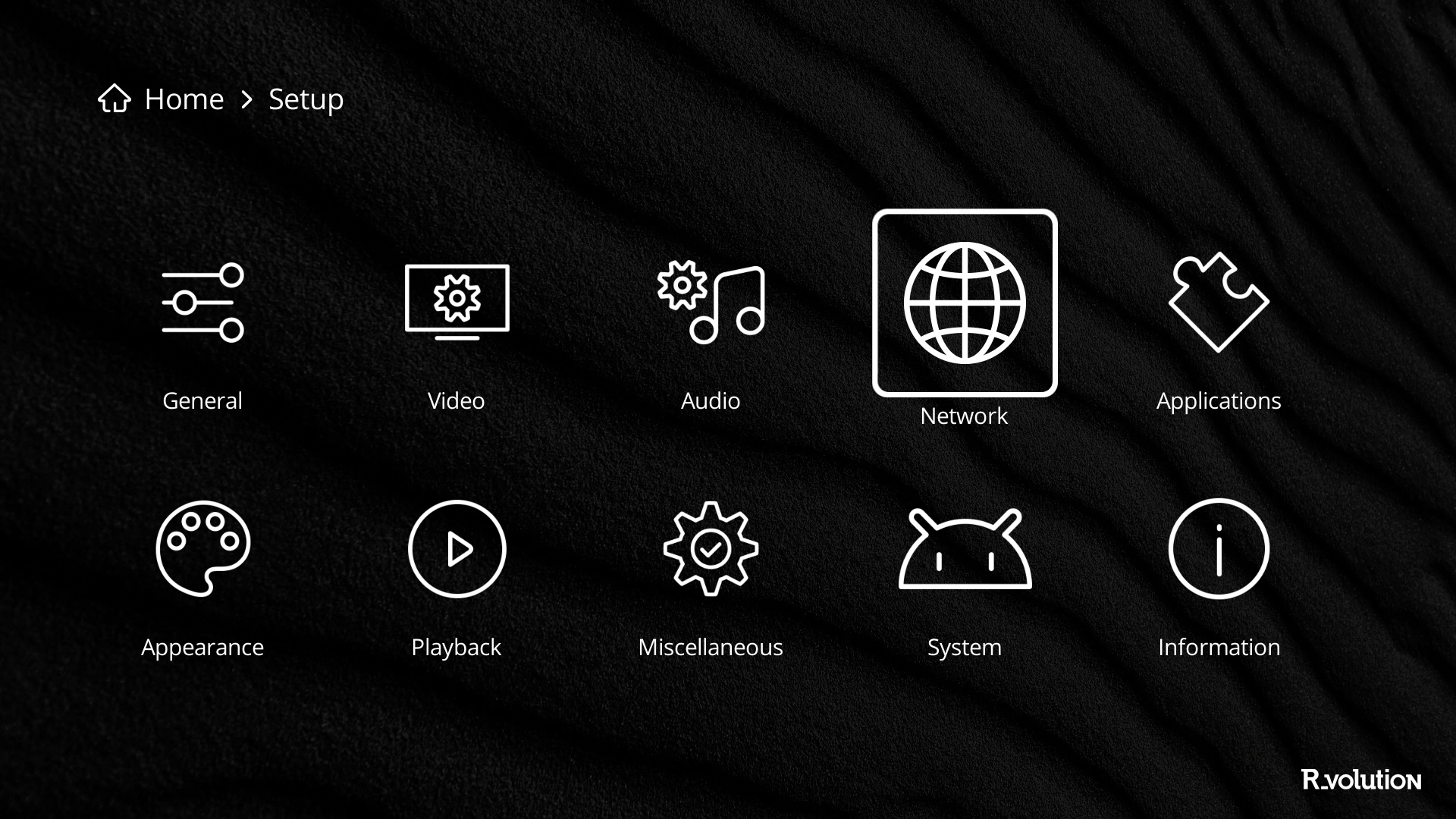
There, you'll see the media player's IP address. The IP address is presented as four sets of numbers.
For example: 192.168.1.18
Write down the IP address on a paper or take a picture of it with your smartphone.
On Windows, open File Explorer, click the address bar and enter the IP address of the media player:
\\<media_player_IP_address>
Example:
\\192.168.1.18
 Do not rely only on the “Network” browser. Network discovery may not show the device even when SMB
access works.
5) Reboot all devices:
If the problem still persists, please reboot all network devices involved: the media player, the Windows PC,
and the router. Then try to connect again using the media player IP address.
Was this article helpful?
That’s Great!
Thank you for your feedback
Sorry! We couldn't be helpful
Thank you for your feedback
Feedback sent
We appreciate your effort and will try to fix the article